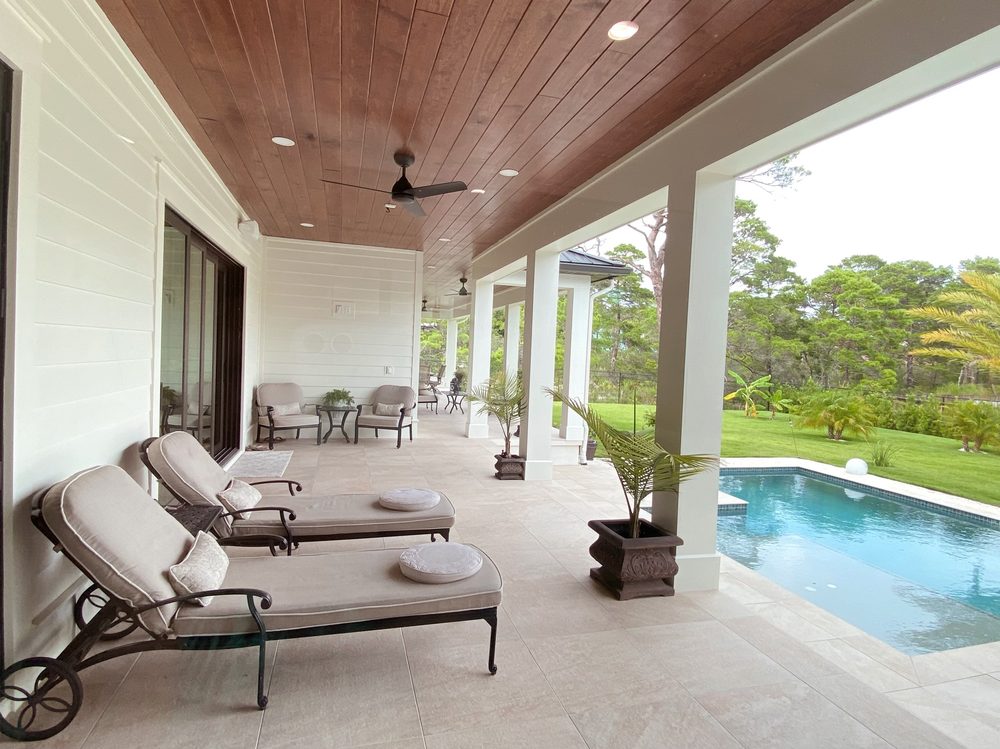
30A is not a city. It's not a neighborhood. It's something rarer — a 24-mile stretch of Scenic Highway along Florida's Emerald Coast that connects a string of individually distinct, carefully curated beach communities, each with its own architecture, culture and character, all united by the same sugar-white sand and impossibly clear Gulf waters. Located in South Walton County between Destin and Panama City Beach, 30A has earned a devoted following among discerning buyers, full-time residents and second-home owners who understand the difference between a beach destination and a way of life. Often called the Hamptons of the South, 30A is where thoughtful design, natural preservation and genuine community spirit have produced something the rest of Florida's coastline simply cannot match.
30A earns its reputation through beauty, intention and an atmosphere that is impossible to fully explain until you've experienced it firsthand.
Residents and owners love:
There is simply nowhere else like it on the Gulf Coast — and the people who know it say so every chance they get.
Life on 30A unfolds at the pace the Gulf sets — unhurried, sun-warmed and quietly extraordinary. Mornings begin with coffee at a neighborhood café, followed by a bike ride along the Timpoochee Trail as it threads through communities from Dune Allen to Inlet Beach. Afternoons belong to the beach, the dune lakes or a paddleboard glide across Western Lake as the light changes. Evenings bring sunset rituals — none more beloved than the ringing of the bell at Bud & Alley's upper deck as the sun drops into the Gulf.
30A draws a loyal, multi-generational community of full-time residents, seasonal owners and long-term vacationers who return year after year until, eventually, they decide to stay. Artists, executives, families and retirees all find their footing here — drawn together by a shared appreciation for beauty, quality and a place that takes both seriously.
Coastal Living, Elevated by Design defines what separates 30A from every other beach market in the South. This is a corridor that has been shaped — deliberately and consistently — by an architectural and cultural philosophy that prioritizes quality over density, community over commerce and natural preservation above all else.
Lifestyle highlights include:
On 30A, the lifestyle isn't something you opt into — it's something you arrive at and never want to leave.
The activities available on 30A span every interest and every energy level from deeply adventurous to blissfully still.
Popular pursuits include:
On 30A, the question is never what to do, but it's where to begin.
Families who call 30A home are served by Walton County School District, which has continued to grow and improve alongside the corridor's broader population growth.
School highlights include:
As the full-time residential population along 30A continues to grow, the school infrastructure continues to expand and strengthen alongside it.
30A's story is inseparable from the story of Seaside. Founded in the early 1980s by Robert Davis on eighty acres of family land, Seaside became the birthplace of New Urbanism, a design movement that forever changed how architects, planners and developers thought about walkable community living. From that founding vision, the broader 30A corridor grew outward with each community adding its own layer of identity and architectural ambition while honoring the central principle that made Seaside remarkable: that thoughtful design and natural preservation are not competing priorities. They are the same thing.
Cultural hallmarks include:
30A has always known what it is. The world simply caught up.
30A's real estate offerings span one of the widest and most distinctive ranges of any coastal market in the American South — from historic cottages to architectural showpieces to Gulf-front estates that command some of the highest prices per square foot in Florida.
Common property types include:
Every property on 30A comes with something no other coastal market in Florida can replicate: a setting that was designed to endure.
30A's real estate market is one of the most dynamic, resilient and coveted on the entire Gulf Coast.
Current trends include:
30A is not a market that trends upward and then corrects. It is a market built on scarcity, beauty, and irreplaceability, and those fundamentals do not change.
Each community on 30A carries its own personality, architecture and lifestyle appeal. From west to east, the corridor includes:
Each community is its own world. Together, they are 30A.
30A attracts buyers who arrive with a feeling and leave with a conviction — people who understand immediately that this place operates by different rules than the rest of Florida's coast. Sellers benefit from one of the most loyal buyer pools in the country, a market driven by genuine scarcity and a corridor that continues to gain recognition among the most discerning real estate buyers in the nation.
Understanding the distinctions between communities, navigating the nuances of short-term rental restrictions, identifying Gulf-front versus lake-access versus community-access opportunities and knowing where long-term value is strongest are all essential to making the right decision on 30A.
4,919 people live in 30A Florida, where the median age is 53 and the average individual income is $102,959. Data provided by the U.S. Census Bureau.
Total Population
Median Age
Population Density Population Density This is the number of people per square mile in a neighborhood.
Average individual Income
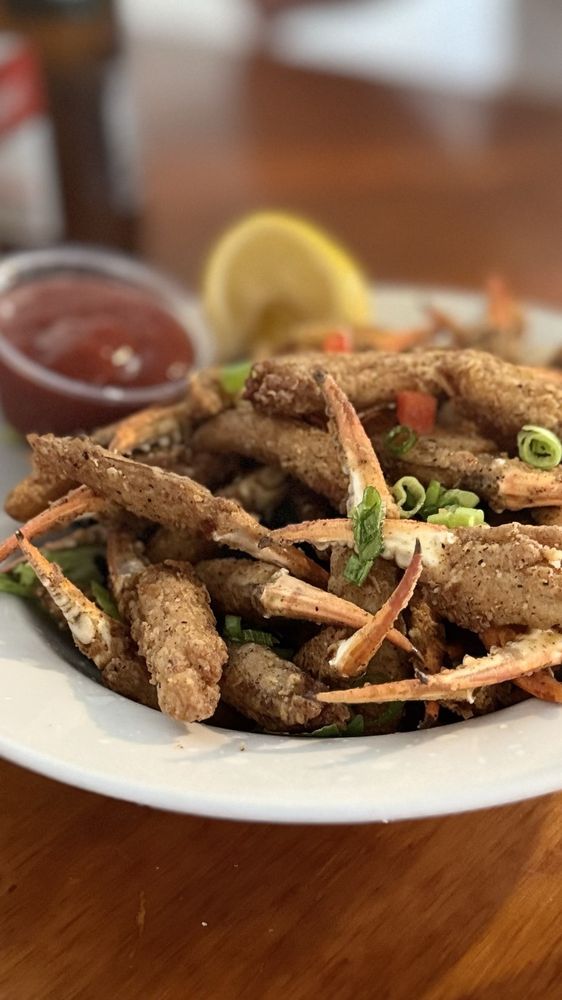
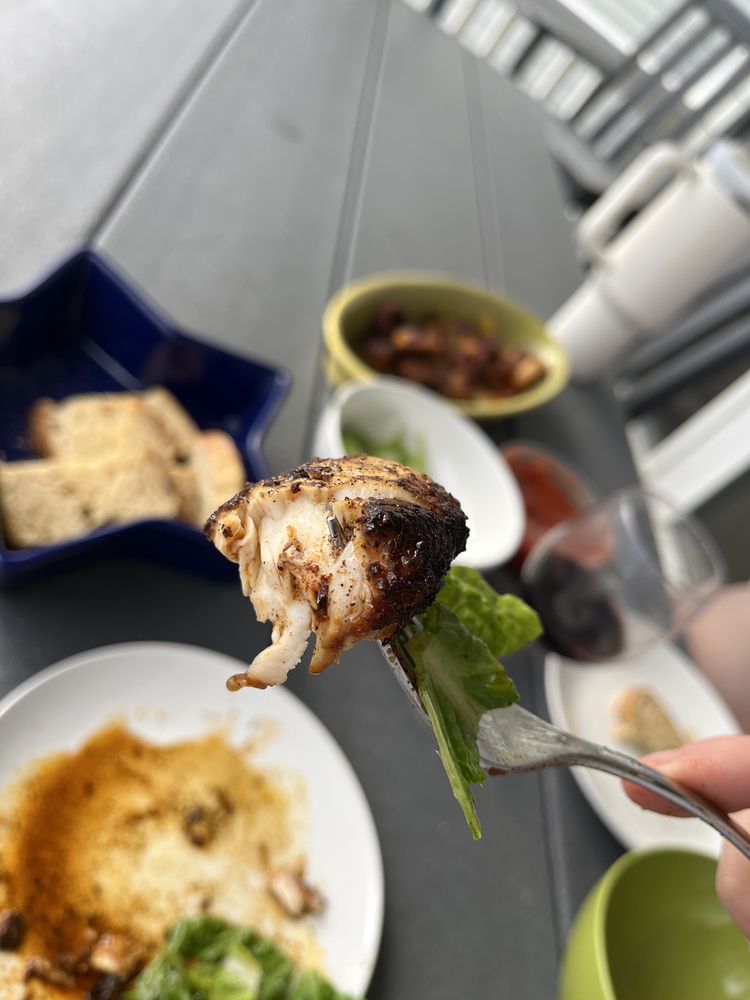
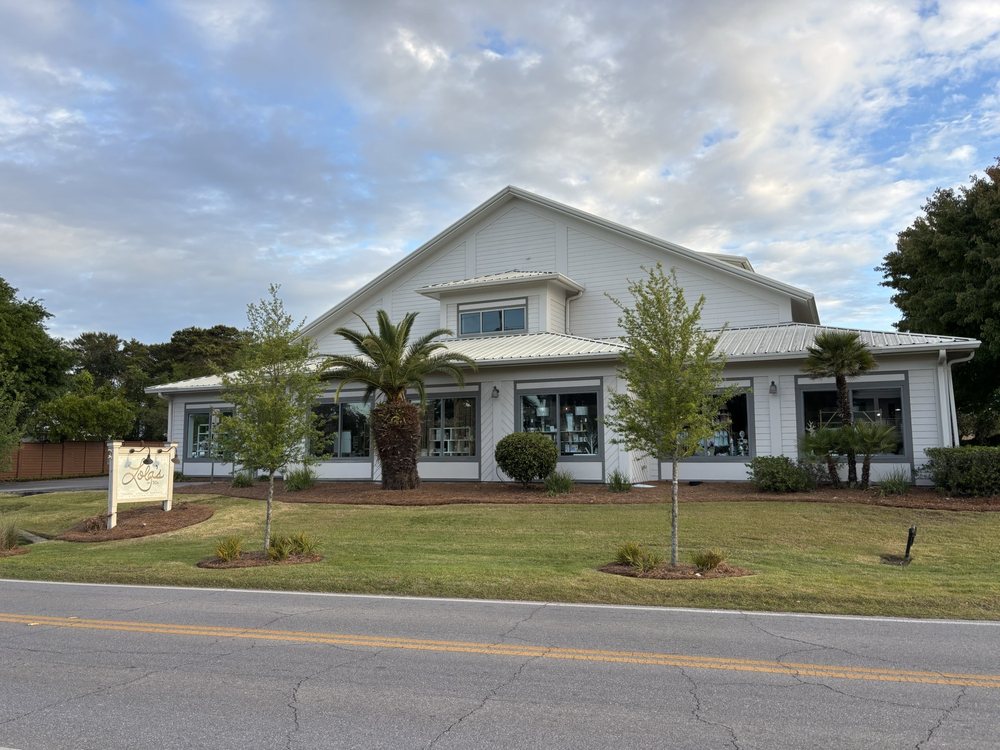
There's plenty to do around 30A Florida, including shopping, dining, nightlife, parks, and more. Data provided by Walk Score and Yelp.
Explore popular things to do in the area, including Joe Boys Breakfast Bar, Ballyhoo's Restaurant, and Local Catch Bar & Grill.
| Name | Category | Distance | Reviews |
Ratings by
Yelp
|
|---|---|---|---|---|
| Dining | 0.18 miles | 2 reviews | 3/5 stars | |
| Dining | 0.68 miles | 1 review | 5/5 stars | |
| Dining · $$ | 0.69 miles | 654 reviews | 3.8/5 stars | |
| Dining · $ | 0.69 miles | 255 reviews | 4.5/5 stars | |
| Dining | 0.69 miles | 7 reviews | 5/5 stars | |
| Dining · $$ | 0.7 miles | 65 reviews | 4/5 stars | |
| Dining | 0.7 miles | 17 reviews | 3.5/5 stars | |
| Dining · $$$ | 0.7 miles | 76 reviews | 4.4/5 stars | |
| Dining · $$$ | 0.71 miles | 235 reviews | 3.9/5 stars | |
| Dining | 0.79 miles | 4 reviews | 4.3/5 stars | |
| Dining | 0.79 miles | 16 reviews | 4.4/5 stars | |
| Shopping | 0.64 miles | 0 reviews | 0/5 stars | |
| Shopping | 0.67 miles | 8 reviews | 4.5/5 stars | |
| Active | 0.27 miles | 4 reviews | 3.5/5 stars | |
| Active | 0.7 miles | 0 reviews | 0/5 stars | |
| Active | 0.7 miles | 29 reviews | 3.8/5 stars | |
| Active | 0.74 miles | 0 reviews | 0/5 stars | |
| Active | 0.74 miles | 0 reviews | 0/5 stars | |
| Active | 0.74 miles | 0 reviews | 0/5 stars | |
| Beauty | 0.6 miles | 8 reviews | 5/5 stars | |
| Beauty | 0.66 miles | 2 reviews | 5/5 stars | |
| Beauty | 0.69 miles | 26 reviews | 4.8/5 stars | |
| Beauty | 0.69 miles | 53 reviews | 4.2/5 stars | |
|
|
||||
|
|
||||
|
|
||||
|
|
||||
|
|
||||
|
|
30A Florida has 1,939 households, with an average household size of 2. Data provided by the U.S. Census Bureau. Here’s what the people living in 30A Florida do for work — and how long it takes them to get there. Data provided by the U.S. Census Bureau. 4,919 people call 30A Florida home. The population density is 392.653 and the largest age group is Data provided by the U.S. Census Bureau.
Total Population
Population Density Population Density This is the number of people per square mile in a neighborhood.
Median Age
Men vs Women
Population by Age Group
0-9 Years
10-17 Years
18-24 Years
25-64 Years
65-74 Years
75+ Years
Education Level
Total Households
Average Household Size
Average individual Income
Households with Children
With Children:
Without Children:
Marital Status
Blue vs White Collar Workers
Blue Collar:
White Collar:

We're a top-rated team, with a wealth of knowledge in the area. Fill out your information below and one of our team members will get back to you.